Why Regular Fire Inspections are Crucial for Workplace Safety
- david barrios
- Jul 11, 2025
- 5 min read
Fire safety is a topic that often gets overlooked until it is too late. Many businesses operate under the assumption that they are safe from fire hazards, but this is a dangerous mindset. Regular fire inspections are not just a legal requirement; they are a vital part of ensuring the safety of employees and the integrity of the workplace.
In this blog post, we will explore the importance of regular fire inspections, the benefits they provide, and how they can save lives and property.
Understanding Fire Risks in the Workplace
Every workplace has its own unique set of fire risks. These can range from faulty electrical wiring to flammable materials stored improperly. Understanding these risks is the first step in preventing fires.
For example, a manufacturing facility may have large amounts of flammable chemicals. If these are not stored correctly, they can pose a significant fire hazard. On the other hand, an office environment may have risks associated with overloaded electrical outlets or malfunctioning equipment.
Regular fire inspections help identify these risks before they lead to a disaster.
The Legal Requirements for Fire Inspections
In many regions, fire inspections are not just recommended; they are required by law. Businesses must comply with local fire codes and regulations. Failure to do so can result in hefty fines, legal issues, and even the closure of the business.
Understanding the legal requirements for fire inspections is crucial. This includes knowing how often inspections should occur and what they should cover.
Frequency of Inspections: Most jurisdictions require annual inspections, but some may require them more frequently, especially for high-risk industries.
Scope of Inspections: Inspections typically cover fire alarms, sprinkler systems, emergency exits, and fire extinguishers.
By staying compliant with these regulations, businesses can avoid penalties and ensure a safer environment for everyone.
Benefits of Regular Fire Inspections
Regular fire inspections offer numerous benefits that go beyond compliance. Here are some key advantages:
1. Enhanced Safety for Employees
The primary goal of fire inspections is to protect employees. By identifying potential hazards, businesses can take corrective actions to minimize risks.
For instance, if an inspection reveals that fire extinguishers are not easily accessible, the business can relocate them to more visible areas. This simple change can make a significant difference in an emergency situation.
2. Protection of Property
Fires can cause devastating damage to property. Regular inspections help identify risks that could lead to costly repairs or replacements.
Consider a scenario where an electrical issue is discovered during an inspection. Addressing this problem early can prevent a fire that could destroy equipment and inventory.
3. Lower Insurance Premiums
Insurance companies often offer lower premiums to businesses that can demonstrate a commitment to fire safety. Regular inspections can serve as proof of this commitment.
By investing in fire safety, businesses can save money in the long run.
4. Improved Emergency Preparedness
Regular fire inspections also contribute to better emergency preparedness. They ensure that all fire safety equipment is in working order and that employees know how to use it.
Training employees on fire safety procedures is essential. Regular inspections can serve as a reminder to conduct training sessions and drills.
5. Peace of Mind
Knowing that your workplace is safe from fire hazards provides peace of mind for both employers and employees. This sense of security can lead to a more productive work environment.
When employees feel safe, they are more likely to focus on their tasks rather than worrying about potential dangers.
What to Expect During a Fire Inspection
Understanding what happens during a fire inspection can help businesses prepare. Here are the key components of a typical fire inspection:
1. Visual Inspection of Fire Safety Equipment
Inspectors will check all fire safety equipment, including:
Fire extinguishers
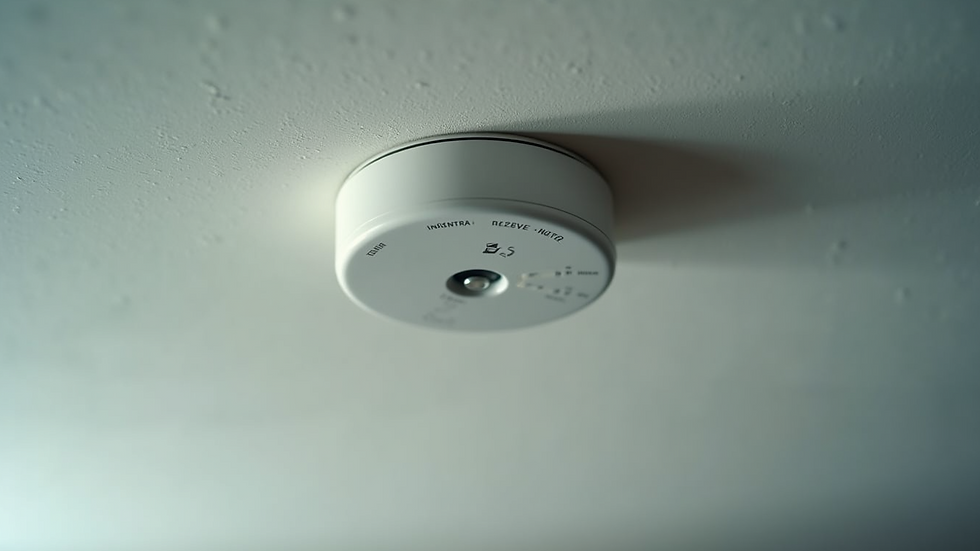
Smoke detectors
Sprinkler systems
They will ensure that everything is in working order and up to code.
2. Evaluation of Emergency Exits
Inspectors will assess the accessibility and visibility of emergency exits. They will check for any obstructions that could hinder evacuation during a fire.
3. Review of Fire Safety Plans
Inspectors will review the business's fire safety plan. This includes evacuation routes, employee training records, and maintenance logs for fire safety equipment.
4. Identification of Potential Hazards
Inspectors will look for potential fire hazards, such as:
Overloaded electrical outlets
Improperly stored flammable materials
Blocked fire exits
Identifying these hazards is crucial for preventing fires.
How to Prepare for a Fire Inspection
Preparation is key to a successful fire inspection. Here are some steps businesses can take:
1. Conduct a Self-Inspection
Before the official inspection, conduct a self-inspection. This can help identify any obvious issues that need to be addressed.
2. Ensure Fire Safety Equipment is Accessible
Make sure all fire safety equipment is easily accessible and in good working order.
3. Review Fire Safety Plans
Ensure that fire safety plans are up to date and that all employees are familiar with them.
4. Train Employees
Regularly train employees on fire safety procedures. This includes how to use fire extinguishers and evacuation routes.
5. Document Everything
Keep records of all fire safety inspections, maintenance, and training sessions. This documentation can be valuable during official inspections.
The Role of Fire Safety Professionals
While businesses can conduct self-inspections, hiring fire safety professionals is often the best approach. These experts have the training and experience to identify risks that may go unnoticed.
Fire safety professionals can also provide valuable recommendations for improving fire safety. They can help businesses develop comprehensive fire safety plans tailored to their specific needs.
Real-Life Examples of Fire Incidents
To emphasize the importance of fire inspections, let’s look at a few real-life incidents:
Case Study 1: The Warehouse Fire
In 2018, a warehouse in a major city caught fire due to faulty electrical wiring. The fire spread quickly, causing extensive damage and resulting in significant financial losses.
An investigation revealed that the warehouse had not undergone a fire inspection in over three years. If regular inspections had been conducted, the electrical issue could have been identified and addressed before it led to a fire.
Case Study 2: The Office Building Evacuation
In 2020, an office building experienced a fire due to a malfunctioning printer. Fortunately, the building had recently undergone a fire inspection.
Employees were well-trained in evacuation procedures and knew how to use fire extinguishers. As a result, everyone was evacuated safely, and the fire was contained before it could cause major damage.
These examples highlight the critical role that regular fire inspections play in preventing disasters.
The Future of Fire Safety
As technology advances, so does fire safety. New tools and systems are being developed to enhance fire safety in the workplace.
For instance, smart fire alarms can now send alerts to smartphones, allowing for quicker responses. Additionally, fire safety training can be conducted through virtual reality simulations, providing employees with realistic scenarios to practice.
Staying informed about these advancements can help businesses improve their fire safety measures.
Final Thoughts on Fire Inspections
Regular fire inspections are not just a box to check off; they are a vital part of workplace safety. By understanding fire risks, complying with legal requirements, and taking proactive measures, businesses can protect their employees and property.
Investing in fire safety is an investment in the future. It ensures a safer work environment and fosters a culture of safety that benefits everyone.

By prioritizing fire inspections, businesses can create a safer workplace and contribute to a culture of safety that extends beyond their walls.

Comments