Top Fire Protection Products to Keep Your Business Safe
- david barrios
- Jul 11, 2025
- 5 min read
Fire safety is a critical concern for any business. A fire can cause devastating damage, not only to property but also to lives. Therefore, investing in the right fire protection products is essential. In this blog post, we will explore some of the top fire protection products that can help keep your business safe.
Fire safety is not just about having a fire extinguisher on hand. It involves a comprehensive approach that includes prevention, detection, and response. Let’s dive into the essential products that can help you create a safer environment for your employees and customers.
Fire Extinguishers
Fire extinguishers are the first line of defense against small fires. They are easy to use and can be the difference between a minor incident and a major disaster.
Types of Fire Extinguishers
Water Extinguishers: Best for Class A fires, which involve ordinary combustibles like wood and paper.
Foam Extinguishers: Effective for Class A and B fires, which involve flammable liquids like gasoline and oil.
Dry Powder Extinguishers: Versatile and can be used on Class A, B, and C fires, which involve gases.
CO2 Extinguishers: Ideal for electrical fires and Class B fires. They do not leave residue, making them perfect for use in offices.
Wet Chemical Extinguishers: Specifically designed for Class K fires, which involve cooking oils and fats.
Make sure to choose the right type of extinguisher for your business needs. Regular maintenance and training on how to use them are also crucial.
Fire Alarms and Detection Systems
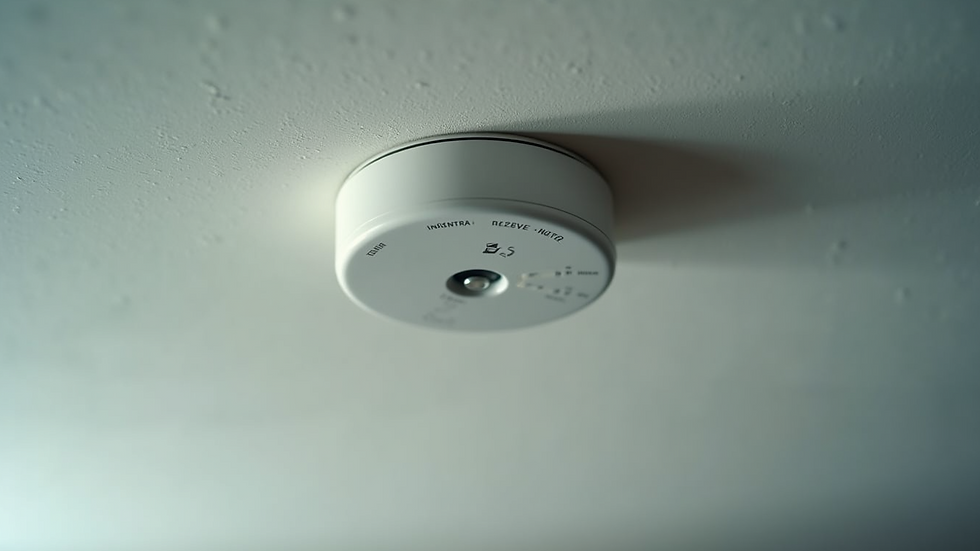
Early detection is key to preventing fire damage. Fire alarms and detection systems alert you to smoke or heat, giving you precious time to respond.
Types of Fire Alarms
Ionization Smoke Alarms: These are sensitive to fast-flaming fires. They use radioactive material to detect smoke.
Photoelectric Smoke Alarms: Better at detecting smoldering fires. They use a light beam to sense smoke.
Combination Alarms: These alarms combine both ionization and photoelectric technologies for comprehensive coverage.
Heat Detectors: These devices activate when they sense a rapid increase in temperature. They are ideal for areas where smoke alarms may cause false alarms.
Installing a reliable fire alarm system can save lives and property. Regular testing and maintenance are essential to ensure they function correctly.
Fire Sprinkler Systems
Fire sprinkler systems are an effective way to control or extinguish fires automatically. They can significantly reduce the damage caused by a fire.
Types of Fire Sprinkler Systems
Wet Pipe Systems: The most common type, filled with water at all times. They activate when the heat from a fire causes the sprinkler head to open.
Dry Pipe Systems: These systems are filled with air or nitrogen. They are ideal for areas where freezing is a concern.
Pre-Action Systems: These require two triggers to activate, making them suitable for sensitive areas like data centers.
Deluge Systems: These systems release water from all sprinkler heads simultaneously. They are used in high-hazard areas.
Investing in a fire sprinkler system can provide peace of mind. Regular inspections and maintenance are necessary to ensure they are in working order.
Fire Blankets
Fire blankets are a simple yet effective tool for extinguishing small fires. They are made from fire-resistant materials and can smother flames quickly.
How to Use a Fire Blanket
Pull the blanket from its container.
Hold it in front of you to protect yourself.
Place the blanket over the fire to smother it.
Fire blankets are especially useful in kitchens or areas where flammable materials are present. They are easy to store and can be a lifesaver in emergencies.
Emergency Exit Signs and Lighting
In the event of a fire, clear exit routes are crucial. Emergency exit signs and lighting guide people to safety.
Importance of Emergency Exit Signs
Visibility: They should be clearly visible, even in smoke or low light.
Illumination: Emergency lighting should activate automatically during a power outage.
Maintenance: Regular checks ensure that signs and lights are functioning correctly.
Having well-marked exits can help prevent panic and confusion during an emergency.
Fire Safety Training
No product can replace the importance of training. Fire safety training equips employees with the knowledge to respond effectively in case of a fire.
Key Training Topics
Fire Prevention: Teach employees how to identify and eliminate fire hazards.
Evacuation Procedures: Ensure everyone knows the quickest and safest exit routes.
Use of Fire Extinguishers: Provide hands-on training on how to use fire extinguishers properly.
Emergency Contacts: Make sure everyone knows who to contact in case of a fire.
Regular training sessions can keep fire safety at the forefront of your employees' minds.
Fire Safety Plans
A well-documented fire safety plan is essential for any business. It outlines procedures for preventing fires and responding to emergencies.
Components of a Fire Safety Plan
Risk Assessment: Identify potential fire hazards in your business.
Emergency Procedures: Outline steps to take in case of a fire, including evacuation routes and assembly points.
Roles and Responsibilities: Assign specific roles to employees during a fire emergency.
Regular Reviews: Update the plan regularly to reflect any changes in the business.
Having a fire safety plan can help ensure that everyone knows what to do in case of an emergency.
Fire Safety Equipment Maintenance
Regular maintenance of fire safety equipment is crucial. This ensures that everything is in working order when you need it most.
Maintenance Checklist
Fire Extinguishers: Check pressure gauges, inspect for damage, and schedule annual inspections.
Fire Alarms: Test monthly and replace batteries as needed. Schedule professional inspections annually.
Sprinkler Systems: Inspect and test systems regularly, following local regulations.
Emergency Lighting: Test monthly to ensure they are functioning correctly.
Keeping a maintenance log can help you stay organized and ensure compliance with safety regulations.
The Importance of Compliance
Understanding and adhering to local fire safety regulations is essential. Compliance not only protects your business but also ensures the safety of your employees and customers.
Key Regulations to Consider
National Fire Protection Association (NFPA): Provides guidelines for fire safety standards.
Occupational Safety and Health Administration (OSHA): Sets regulations for workplace safety, including fire safety.
Local Fire Codes: Check with your local fire department for specific regulations in your area.
Staying compliant can help you avoid fines and, more importantly, keep your business safe.
Final Thoughts on Fire Protection
Investing in fire protection products is not just a legal requirement; it is a moral obligation. The safety of your employees and customers should always come first.
By implementing the right fire protection products and practices, you can create a safer environment for everyone. Regular training, maintenance, and compliance with regulations will further enhance your fire safety efforts.
Remember, a proactive approach to fire safety can save lives and protect your business from devastating losses. Take the time to assess your current fire safety measures and make improvements where necessary. Your business's safety depends on it.


Comments